
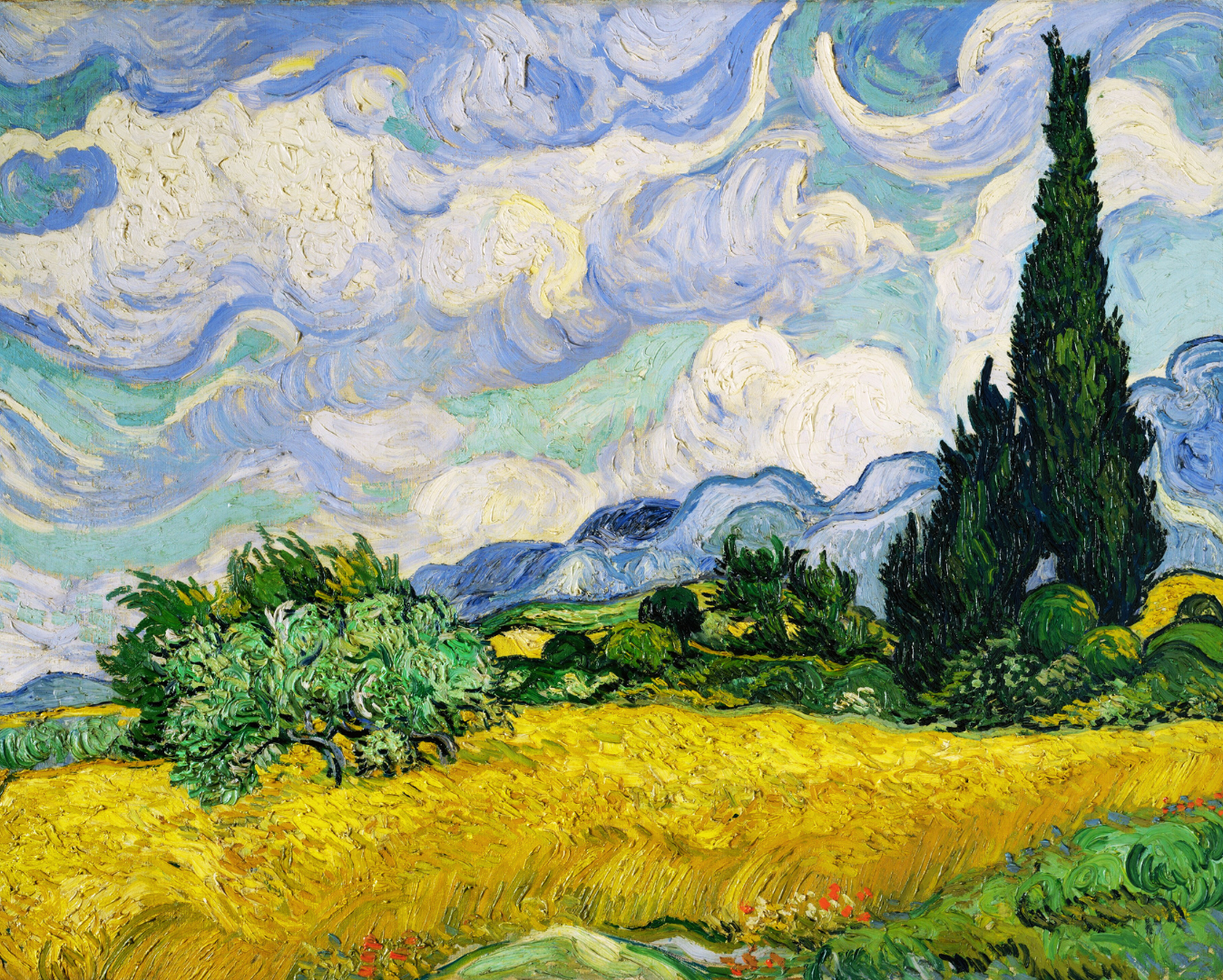
Vincent Van GOgh
Vincent van Gogh’s art reflects a Christian vision of embodied life, beauty, and the search for meaning before God.
About the Artist: Vincent van gogh, Christian Art, and the Luke 10:28 Vision of Flourishing
The artwork featured throughout this site includes original works by Vincent van Gogh (1853–1890), a Dutch post-Impressionist painter whose life and work were deeply shaped by Christian faith and longing.
Before becoming an artist, van Gogh pursued a vocation in Christian ministry. He studied Scripture intensely, desired to become a pastor, and served as a missionary among the poor and working class in Belgium. Although he was ultimately unable to continue in formal ministry, his commitment to the Gospel and his compassion for human suffering remained central to his life and thought.
Van Gogh came to understand his artistic work as a different kind of calling, one that sought to reveal meaning, dignity, and transcendence within ordinary, embodied life. Through vivid color, movement, and careful attention to everyday scenes such as fields, laborers, homes, and night skies, he attempted to express what he once described as something eternal within the material world.
In this way, van Gogh’s work resonates with a Christian vision of flourishing. His paintings reflect the conviction that beauty, meaning, and life are not reserved for abstraction or idealized spirituality, but are encountered through faithful presence, human limitation, and the ordinary rhythms of daily life. This embodied vision aligns with the Luke 10:28 Model, which understands flourishing as the fruit of loving God with the whole person, heart, soul, mind, and strength, and living fully before Him in the world He has given.